Painting & Decorative Crafts
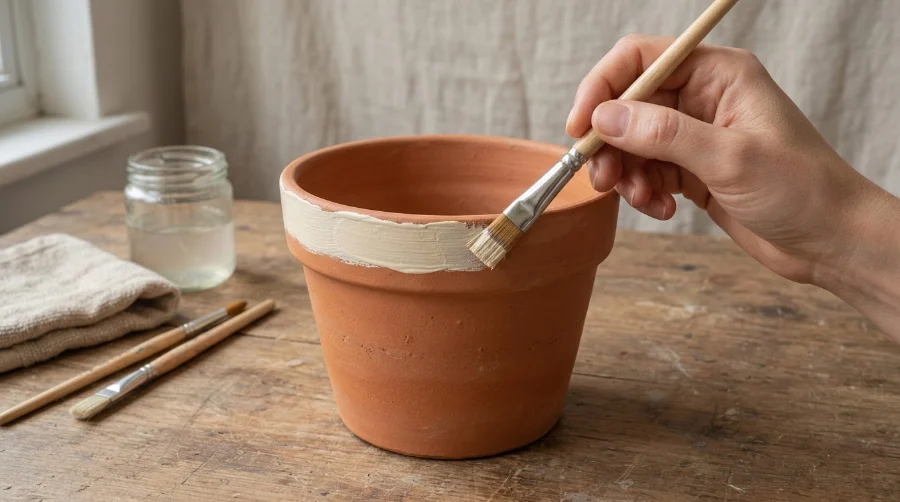
Painted Terra Cotta Pots With Simple Patterns
Terra cotta is porous. Its surface is full of tiny openings that pull liquid in, and the same quality that lets roots breathe also gives paint a weak grip. A design…
A smooth stone painted with a small design makes a practical desk weight, but only if the paint stays put. Pebbles are nonporous, slightly greasy, and constantly…
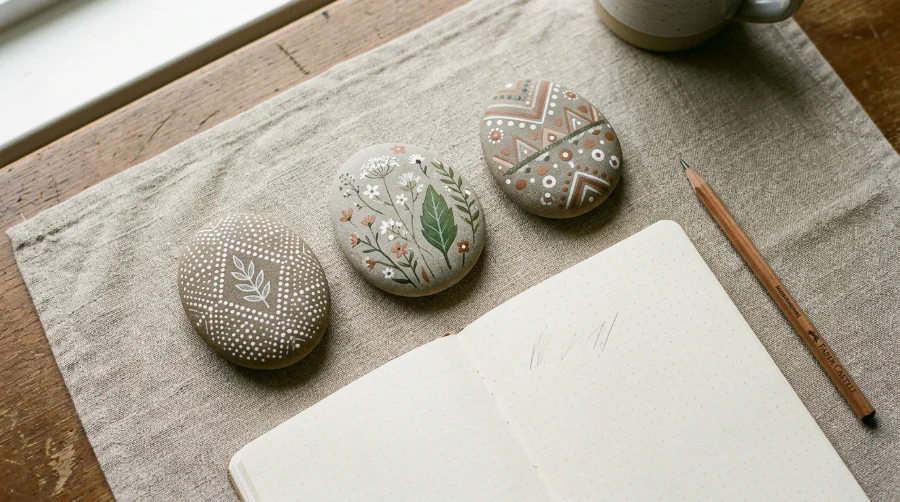
A smooth stone painted with a small design makes a practical desk weight, but only if the paint stays put. Pebbles are nonporous, slightly greasy, and constantly handled, which is a difficult combination for any coating. Paint applied to a stone straight from the garden will rub off at the edges within days. The difference between a pebble that peels and one that lasts sits almost entirely in preparation and sealing.
Start with the job the object has to do. A paperweight must be heavy enough to hold a stack of papers and flat enough not to roll off the desk. River pebbles and flat beach stones are ideal: broad, low, and dense. A stone that fits comfortably in the palm and weighs several ounces will hold a few sheets of copy paper. A light, rounded pebble looks charming but slides away from the very thing it is meant to keep down.
Look for a smooth, unbroken surface. Pitted or crumbly stones shed dust that prevents paint from gripping, and deep cracks collect dirt that no amount of scrubbing clears. The painting side should be relatively flat so fine lines and small motifs stay readable. A slightly domed top is fine, since the design can be planned around the curve.
Color matters too. Dark stones show paint well but need a base coat before light colors will read. Pale stones accept most colors directly. Either way, avoid stones with a shiny, glassy finish until they have been lightly abraded, as explained below.
Acrylic paint forms a flexible plastic film as it dries. On a rough, porous surface it locks into the texture. On a pebble it has almost nothing to hold onto, especially if the stone carries invisible oils from handling or a residue from the riverbank. The film then lifts at the edges first, where it is thinnest and most exposed to rubbing.
The second cause is thickness. A heavy blob of paint looks thorough but dries with stress inside it, and a single knock can pop the whole patch off. Thin coats that bond one at a time are far more durable than one thick layer. The third cause is skipping sealer. Even well-prepared acrylic can be scratched by keys, coins, and the edges of paper, so a clear protective coat is part of the project rather than an optional extra.
Gather the smooth pebbles, acrylic paints in the colors needed for the design, and a set of fine detail brushes. A small flat brush covers the base coat; round brushes in sizes 0 and 2 handle lines and small shapes. A toothpick or the tip of a fine brush can dot small details.
For preparation and finishing, have mild dish soap, warm water, an old toothbrush, and a lint-free cloth. Fine-grit sandpaper, around 220 grit, roughens a glossy stone. For sealing, choose a clear sealer labeled for use on painted surfaces. A water-based polyurethane or a clear acrylic spray both work, and each has its own handling requirements. Work near an open window when using any sealer, and follow the drying and recoat times printed on the container. Keep the work surface covered.
Wash each pebble in warm water with a little dish soap, scrubbing with the toothbrush to lift dirt from crevices. Rinse thoroughly, since soap residue is as bad as the dirt it removed. Dry with a lint-free cloth and leave the stones to air-dry completely before painting; trapped moisture under a coat of acrylic causes cloudy patches and poor adhesion.
Rub the painting surface lightly with fine sandpaper until it loses its shine. The goal is a faintly matte texture, not a scratched-up stone. Wipe away all dust afterward and avoid touching the prepared area with bare fingers, which returns the oils that were just removed.
Decide where the design will sit before paint touches the stone. Hold the pebble in a natural position and note which face points upward. It is easy to paint the underside by mistake when a stone is turned repeatedly in the hand.
Apply a thin base coat over the area to be decorated, even when the pebble's natural color is close to the intended background. A base coat gives every later color the same foundation. Brush it on in one direction and let it dry fully before adding anything else. A second thin coat is better than one heavy coat if the stone still shows through.
Acrylic dries quickly to the touch but continues to set for a while underneath. Give each coat at least the time suggested on the paint label, and longer in a humid room. Painting a detail onto a tacky base creates smears that cannot be corrected without starting over.
Once the base is dry, sketch the main shapes lightly or paint them freehand. Keep motifs simple at this scale: a single leaf, a small flower, a band of dots, or a few clean stripes read better than a crowded scene. Fine brushes hold little paint, so reload often and wipe the brush on a cloth before moving to a new color.
Work from larger shapes to smaller details. Give one shade time to set before painting a neighboring area, otherwise the two bleed together. A fine line can be drawn in one steady stroke with the brush held close to the tip. If the line wavers, wipe it away while still wet rather than painting over it once dry.
Sealing is what turns a painted pebble into a paperweight that can survive daily handling. Choose a clear product suited to the surface and apply it in thin, even coats. A brush-on sealer needs a soft, clean brush; a spray sealer needs light passes from a distance, with the stone rotated between them. Two or three thin coats protect better than one thick coat, which can pool at the edges and remain tacky.
Let each coat dry for the full interval on the label before applying the next, and allow the final coat to cure completely before the pebble goes back on a desk. A surface that feels dry to the finger may still be soft underneath, and a heavy stack of papers left on it too soon can leave a permanent mark. Cure times vary widely between products, so the container is the only reliable guide.
Work with ventilation and keep spray sealer away from flames, pilot lights, and heated surfaces. Wear old clothing and protect the work area. Once the sealer has cured, wash hands before handling paper, since a faint residue can transfer for a short while.
Place the cured pebble on the desk with the flat side down and the design facing up. A small piece of felt on the underside protects both the finish and the desk surface, and it stops the stone from sliding on polished wood. Replace the felt if it collects grit.
Dust the painted surface with a soft, dry cloth. Avoid soaking the stone or leaving it in standing water, since moisture at the sealed edge can eventually work underneath the coating. Warm drinks and direct sunlight are worth avoiding as well; prolonged heat and UV exposure can yellow or fade a clear finish over time.
Paint that peels away in sheets usually means the stone was not cleaned or abraded. Wash and sand the pebble, then start again with a thin base coat.
Colors that smear together were layered before the previous coat dried. Wait longer between colors, and keep details to a minimum at this small scale.
A sticky finish after several days points to sealer applied too thickly or a cure interrupted by damp air. Give the piece more time in a ventilated space, and use lighter coats next time.
A paperweight that tips over was the wrong shape. Choose a broader, heavier stone rather than trying to add weight to a rounded one.
A set of three pebbles painted in one palette makes a small matched group for a desk or bedside table. Painting the underside of each stone a solid color and leaving the top natural creates a different look, with the design confined to a narrow rim.
Alphabet letters, initials, or a short date personalize a pebble without changing the technique. Metallic acrylics add a subtle accent, though they need the same thin coats and the same clear sealer as any other paint. Seal every finished stone, including pieces left partly unpainted, so the exposed surface keeps its color and texture.
Projects that pair well with this one.
Terra cotta is porous. Its surface is full of tiny openings that pull liquid in, and the same quality that lets roots breathe also gives paint a weak grip. A design…
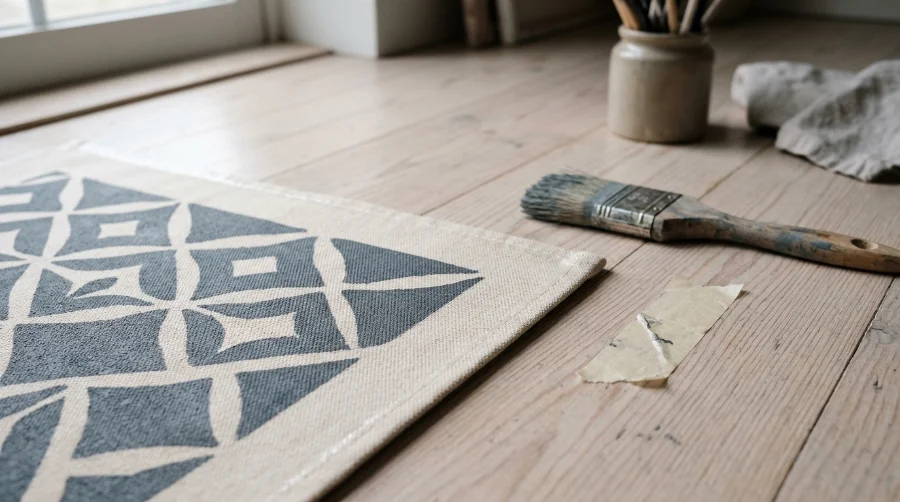
Wash the canvas before any paint touches it. Heavy duck cloth shrinks the first time it gets wet, and a mat cut and printed at its dry-from-the-bolt size will pull…
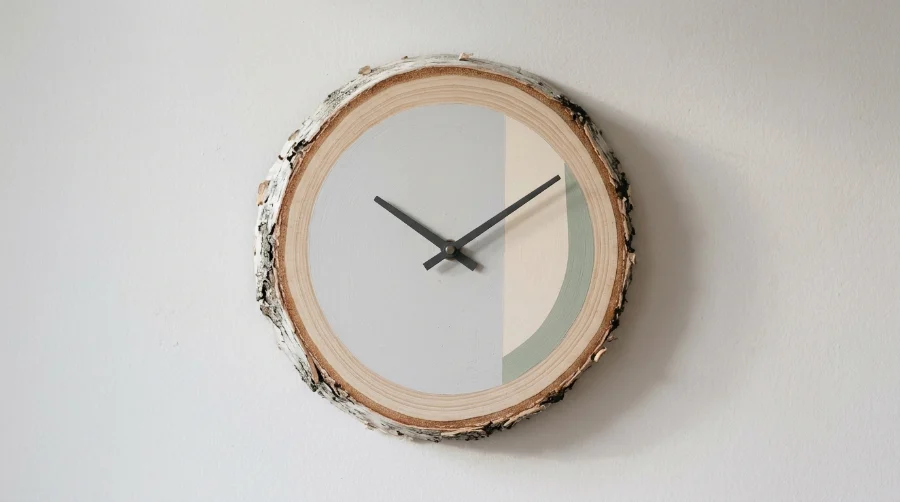
Think about assembly before decoration, because two small details decide whether this clock keeps time or just hangs on the wall. The center hole must match the…